Complex, rich aroma
Fermentazione Lattica Pater® produces dozens of aromatic compounds that together deliver the complexity typical of sourdough, in a stable ingredient.

Sourdough is a complex microbiological ecosystem: lactic acid bacteria and wild yeasts coexist in symbiosis, each with its own metabolism, each contributing to the final result. But it is a fragile, unstable balance that is difficult to control.
Fermentazione Lattica Pater® was born from an in-depth study of this ecosystem: we identified the bacterial strains responsible for the most significant benefits – aroma, structure and product preservation – and made them available in a stable, reproducible and industrially scalable form.
Fermentazione Lattica Pater® is a fermentation process driven by cultures of lactic acid bacteria selected from sourdough, which act on the dough during processing to improve the structure, aroma and shelf life of baked goods.
Fermentazione Lattica Pater® produces dozens of aromatic compounds that together deliver the complexity typical of sourdough, in a stable ingredient.
Bread made with Fermentazione Lattica Pater® retains its characteristics over time: the crumb stays fluffy and the texture soft for longer.
The proteolytic enzymes of lactic acid bacteria partially pre-digest gluten proteins during fermentation. The resulting baked goods are light and naturally easier to digest.
The organic acids produced during Fermentazione Lattica Pater® naturally inhibit the growth of mould and unwanted bacteria. The result is extended preservation without E-numbers.
Thanks to proprietary technology from Il Granaio delle Idee, the lactic acid bacteria are enclosed in a coating that protects them during storage, keeping them alive in the flour, ready to dissolve as soon as it comes into contact with the water in the dough. Just as happens with sourdough.
Discover where this technology comes from →Sourdough is irreplaceable where variability is valued. Fermentazione Lattica Pater® is the answer when precision and consistent results become a necessity.
Complex, stable, reproducible
Complex, variable, influenced by environment, temperature and flour
Maximum — the same result in every batch
Low — each feeding introduces variables
No maintenance — added to the dough as an ingredient
Requires daily care, specialist expertise and dedicated space
Unlimited — designed for industrial and artisan production
Limited — difficult to maintain quality at high volumes
12 months at room temperature
Days — requires regular feeding
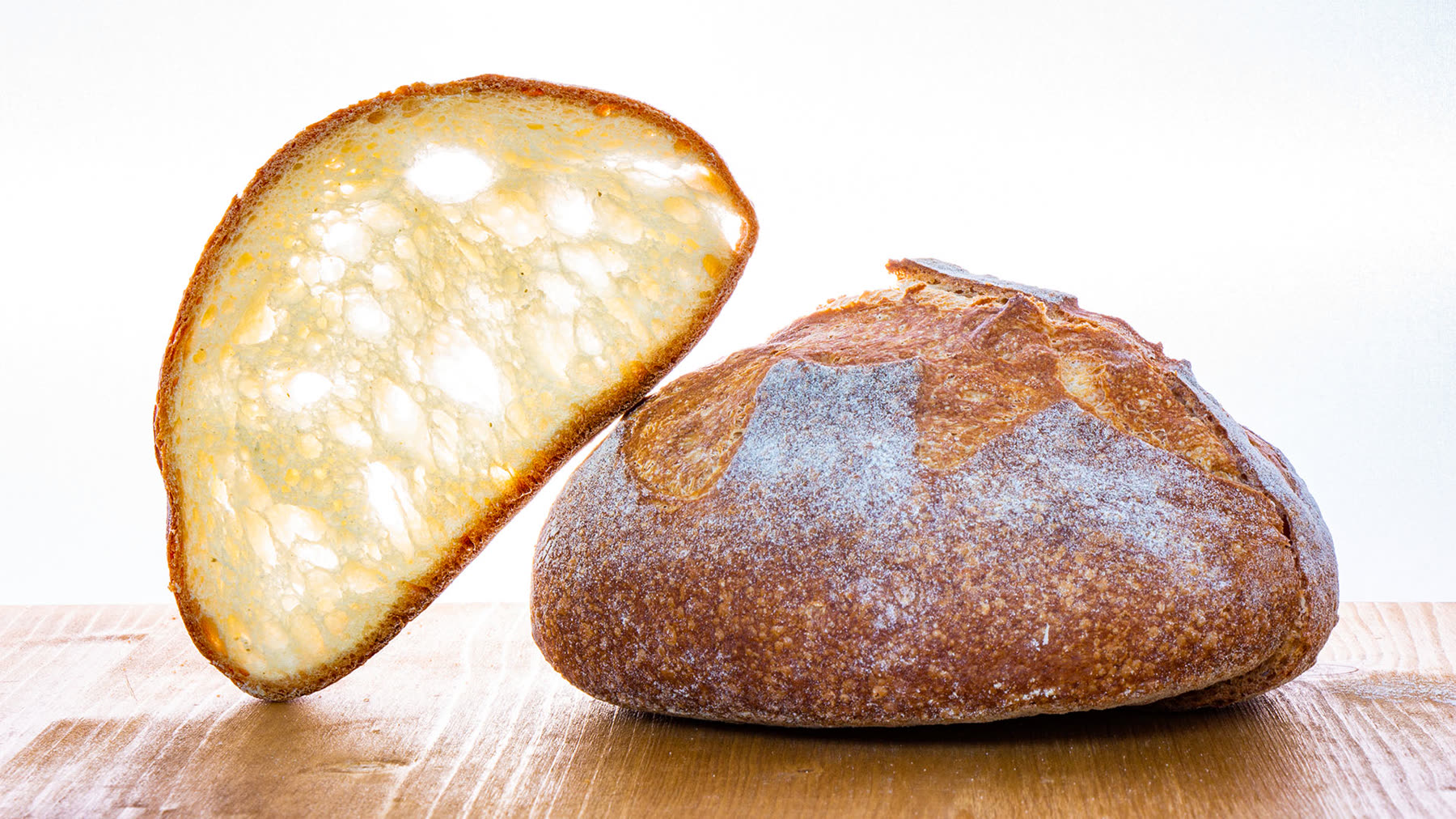
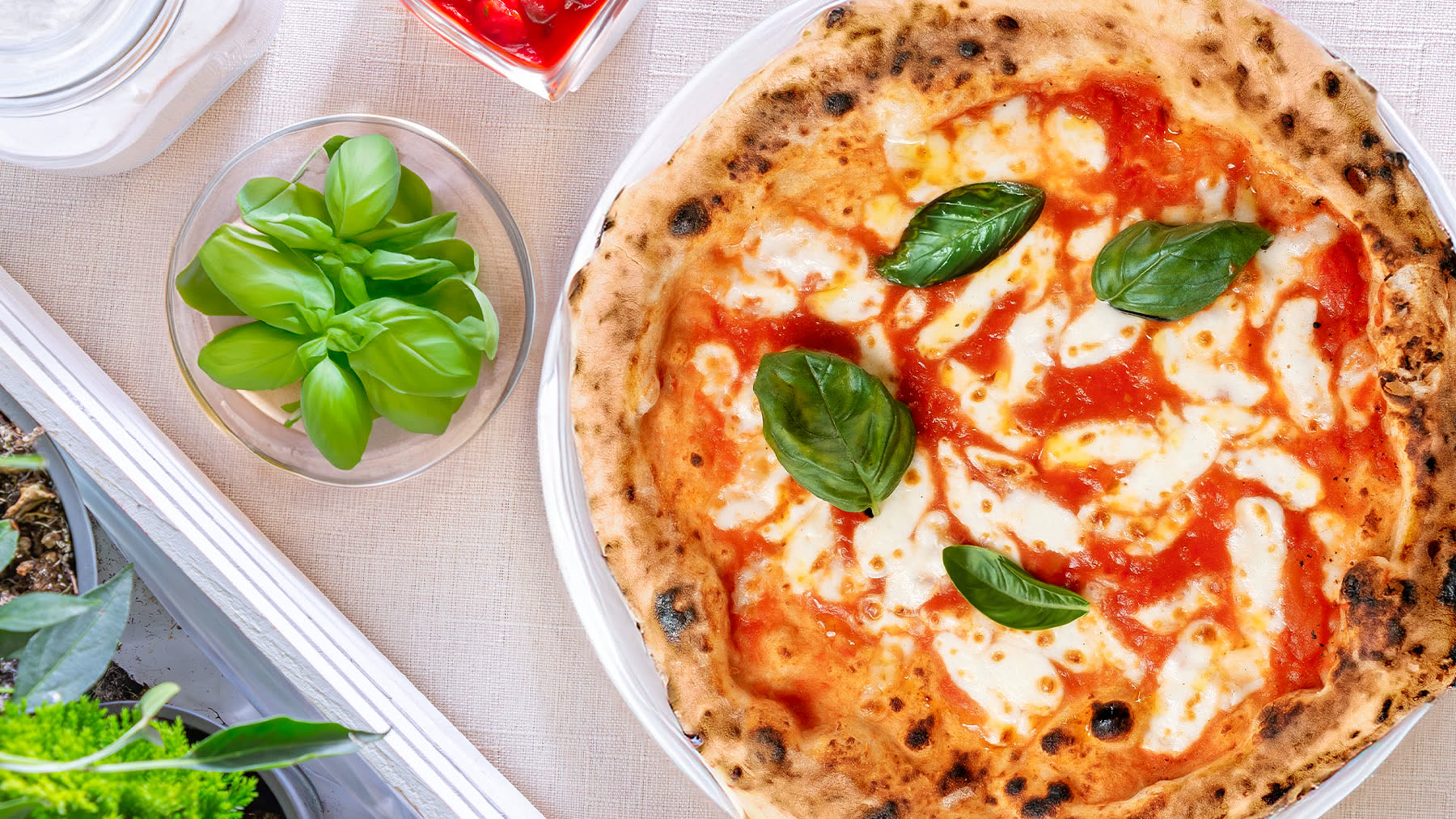
Live lactic acid bacteria
Melt-in-the-mouth texture, chewiness, freshness and rich aromas
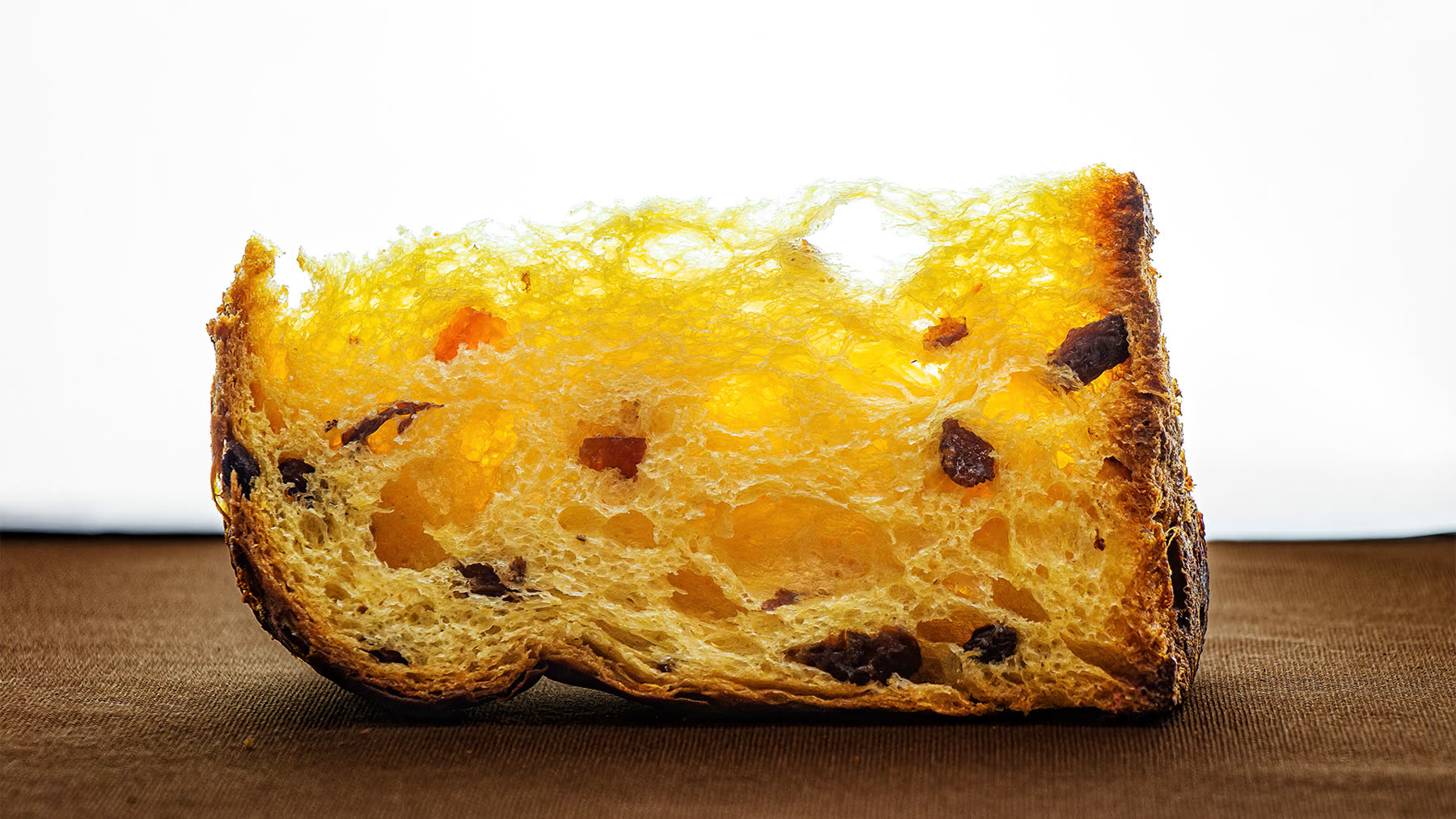
Live lactic acid bacteria
Melt-in-the-mouth texture, chewiness, freshness, rich aromas and well-rounded flavour
Let's clear things up!
The adjective "lactic" immediately brings milk to mind, which is understandable because they share the same etymological root.
But the connection with milk ends there: lactic acid bacteria are named after the lactic acid they produce, not after milk. Lactic acid contains no milk, is not derived from milk and has no chemical relationship with milk.