
The History of San Francisco Bread
The history of San Francisco bread has its roots in the American West Coast city itself, where it first began to be baked just over a century ago. This bread, soft on the inside and crisp on the outside, was made using a long, slow fermentation and was characterized by high hydration. With its slightly lactic aroma, imparted by the use of sourdough starter, it immediately won the hearts of all the city's residents.
During the legendary gold rush years, this bread was at the center of an ancient ritual shared by local miners: legend has it that gold prospectors would share and eat it together before facing their tough and dangerous working days. This is how, over time, this bread became a symbol of prosperity and good fortune. Fishermen, meanwhile, would take the loaves out to sea with them and use them as bowls in which to enjoy delicious fish soups.
Initially, San Francisco was thought to be the only place where this particular type of naturally leavened bread could be made: local bakers swore that no one could reproduce it beyond a 50-mile radius of the city.
Today we know this is not true, because in 1971 scientists identified, in San Francisco itself and for the first time, the particular strain of lactic acid bacteria responsible for this bread's extraordinary sensory qualities. In honor of the city where it was first isolated, the lactic acid bacterium that gave the bread its distinctive character was named “Sanfranciscensis”.
Today it is widely known that many different types of sourdough starter exist around the world, but that “Sanfranciscensis” remains the dominant lactic acid bacterium.
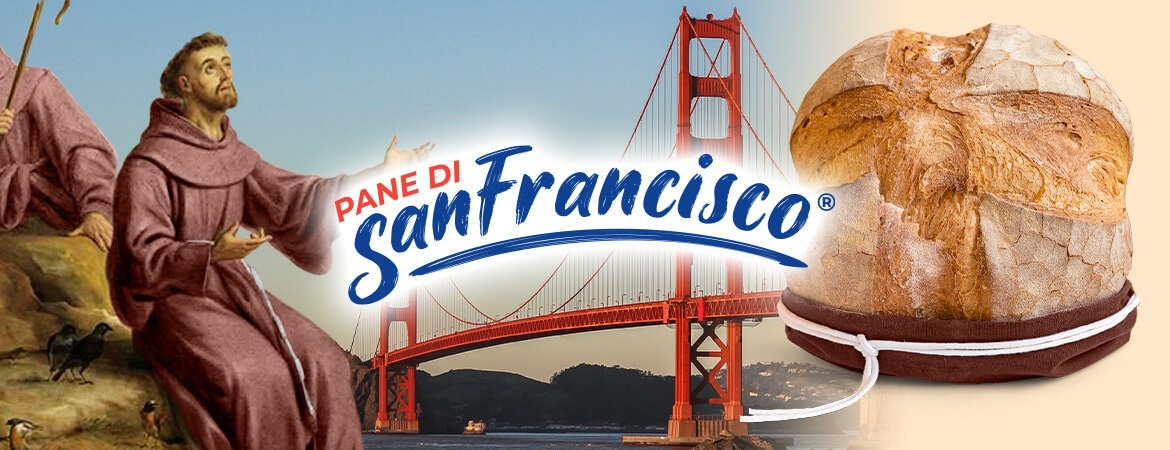
San Francisco bread is still made today according to the traditional recipe and, perhaps in remembrance of the great saint, is finished with a distinctive cross-shaped score that makes it as unique and unmistakable as its flavor.