
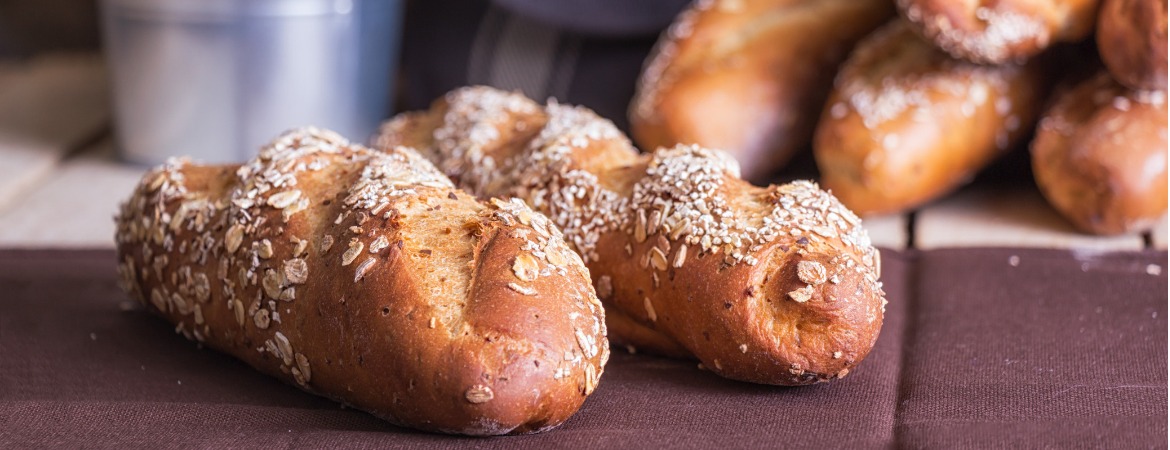
Functional bread, a strategic ally for health. Interview with Marco Temporin, physician and nutritionist.
Bread is an ancient food and, when consumed appropriately, a cornerstone of balanced nutrition. It is not “demonized” by nutritionists; on the contrary, it is considered important for a balanced diet. This includes its gluten content—yes, indeed. Naturally, carbohydrate intake needs to be adjusted according to metabolism and lifestyle, but thanks to technical advances, functional bread is now a powerful ally for a balanced, healthy diet. We discussed this with Marco Temporin, a physician and nutritionist practicing in Veneto, who has had the opportunity to discover Pane Funzionale Salus®.
Dr. Temporin, what role does bread play in our diet? Why does it seem to be a food to avoid to prevent weight gain?
Bread has been around since before the concept of a “dining table” existed: prehistoric humans ground cereal grains to mix them with water and make a highly nutritious “porridge.” Eating habits have changed over time. Today, bread is considered an extra to eat while waiting for the main course or alongside it. But eaten this way, bread can cause weight gain. When consumed appropriately, however—taking its nutritional properties into account—it becomes a source of nourishment rather than a fattening food.
How important are carbohydrates in our daily diet?
Carbohydrates are described as the “fuel” for our metabolism, so they are essential. However, their intake must be managed according to each individual's metabolic characteristics and lifestyle.
So, how much bread is recommended per day, and what kind?
Amounts vary according to nutritional needs; there is no single quantity that suits everyone. I would recommend bread made with selected wholegrain flours, including different cereals, perhaps enriched with oilseeds (sesame, sunflower or flax), which provide polyunsaturated fatty acids.
What are functional foods, and why do they make a difference to our bodies?
The term ‘functional’ was coined in Japan in the ’80s to describe foods that naturally contain substances beneficial to the body. These are therefore simple foods—such as berries, garlic and green tea—that help maintain well-being.
Beta-glucans are in the spotlight today. Why can consuming them promote well-being and health?
Beta-glucans are indigestible polysaccharides found in foods such as barley and oats, which contain the highest concentrations. These fibers are thought to reach the intestine unchanged, exerting cholesterol-lowering and blood-glucose-lowering effects. In other words, beta-glucans may reduce the absorption of glucose and cholesterol, facilitating their elimination.
In your opinion, what is the added value of a functional bread rich in fiber and protein and with a reduced calorie content, such as Pane Funzionale Salus®?
I find Pane Funzionale Salus® an exceptional discovery for several reasons. It skillfully combines ancient traditions, such as the inclusion of lupin flour, naturally rich in protein, minerals and B vitamins (including the valuable vitamin B1), with the innovation offered by beta-glucans. The synergy of its components makes this food an excellent nutritional “booster.” Pane Funzionale Salus® is ideal both for athletes who need a nutritionally balanced food and for people who are overweight or have metabolic disorders, who can enjoy an excellent food with a low glycemic index.
Bread and gluten ... Is it true that people who are not intolerant should not deprive themselves of cereals containing gluten?
The gluten-free trend has really taken hold. However, many people consume these foods under the false belief that they are healthier, easier to digest and even help with weight loss. This is not true. In fact, in the absence of a diagnosis of celiac disease, consuming gluten-free foods increases the risk of obesity and cardiovascular disease, while also removing useful nutrients from the diet. Speaking of bread, a recent study presented at the European Society for Pediatric Gastroenterology Hepatology and Nutrition shows that many types of gluten-free bread contain twice as much fat and, on average, half as much protein as traditional bread.
Research from the University of Padua confirms the correlation between daily consumption of Pane Funzionale Salus® and medium- and long-term glycemic control in people with Type 2 Diabetes Mellitus (T2DM), in addition to the medications they take. What do you think?
The use of foods with a high fiber content seems to yield encouraging results in controlling blood glucose levels, even in people with metabolic conditions. I have always believed that minimally refined, fiber-rich foods are essential to the diet.
Original text: Il Panificatore Italiano magazine, November 2018 issue.